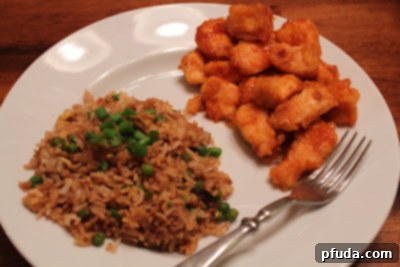
Homemade Chinese Takeout: Irresistible Baked Sweet & Sour Chicken with Flavorful Fried Rice
There’s something uniquely comforting about Chinese food, isn’t there? From the aromatic spices to the satisfying textures, it’s a cuisine that truly captures the heart. My family and I share an undeniable love for it, and like many, we’re often on the lookout for ways to recreate those beloved restaurant flavors right in our own kitchen. That’s why, when I stumbled upon an enticing recipe for baked sweet and sour chicken over at Life as a Lofthouse, I knew it was a must-try. And let me tell you, it did not disappoint! In fact, it soared to the top of our family favorites list almost instantly. What makes this recipe truly stand out is that this incredibly delicious chicken is baked, not fried, giving it a significant health advantage without compromising on that classic sweet and sour tang. Paired with a simple yet incredibly versatile fried rice recipe, you’re looking at a complete homemade Chinese feast that’s healthier, fresher, and just as satisfying as any takeout.
Say goodbye to greasy, deep-fried versions and hello to a lighter, equally flavorful alternative. This baked sweet and sour chicken offers all the vibrant flavors you crave, with a crispy coating and tender interior, all drenched in a perfectly balanced sauce. And to round out your meal, we’ll dive into a basic fried rice recipe that serves as the perfect canvas for your culinary creativity. Get ready to impress your taste buds and your loved ones with these irresistible dishes!
Baked Sweet & Sour Chicken: A Healthier Takeout Favorite
Sweet and sour chicken is a cornerstone of Chinese-American cuisine, a dish adored for its delightful contrast of flavors. Our baked version elevates this classic, offering a fantastic alternative to the often-fried restaurant staple. By baking, we cut down on oil and calories, making it a guilt-free indulgence that doesn’t skimp on taste. The chicken achieves a beautiful golden-brown crispness, while the homemade sweet and sour sauce clings to every piece, delivering that perfect blend of sweet, tangy, and savory notes.
Ingredients for the Chicken Coating:
- 3-4 boneless, skinless chicken breasts: Opt for fresh, high-quality chicken. You can also use chicken thighs if you prefer a richer flavor and slightly different texture, though cooking times might vary slightly.
- Salt and pepper: Essential for seasoning the chicken from the inside out, enhancing its natural flavor.
- 1 cup cornstarch: This is key to achieving that desirable crispy coating without frying. It creates a light, delicate crust that absorbs the sauce beautifully.
- 2 eggs, beaten: The egg wash acts as a binder, helping the cornstarch adhere to the chicken pieces.
- 1/4 cup canola oil: Used for a quick pan-sear to get a head start on the browning process before baking. Canola oil is a good choice for its neutral flavor and high smoke point, but vegetable oil or another neutral cooking oil would also work.
Ingredients for the Sweet and Sour Sauce:
- 3/4 cup sugar: Provides the foundational sweetness. Granulated sugar is standard, but you could experiment with brown sugar for a deeper, molasses-like undertone.
- 4 tablespoons ketchup: Adds a rich, tangy depth and contributes to the signature red hue of sweet and sour sauce.
- 1/2 cup vinegar: White vinegar is typical for its sharp acidity, which balances the sweetness. Apple cider vinegar could be used for a slightly fruitier tang.
- 1 tablespoon soy sauce: Introduces umami and a savory dimension, grounding the sweet and sour flavors. Use low-sodium soy sauce if you’re watching your salt intake.
- 1 teaspoon garlic salt: A convenient way to add both garlic flavor and additional seasoning to the sauce. If using garlic powder and regular salt separately, adjust quantities accordingly.
Instructions for Baked Sweet & Sour Chicken:
Begin by preheating your oven to 325 degrees Fahrenheit (approximately 160 degrees Celsius). This lower baking temperature allows the chicken to cook through evenly without drying out, while also giving the sauce time to caramelize.
Next, prepare your chicken. Rinse the boneless, skinless chicken breasts under cold water, then pat them thoroughly dry with paper towels. This step is crucial for ensuring the coating adheres properly. Cut the chicken into uniform 1-inch to 1.5-inch cubes. Uniform pieces will ensure even cooking. Season the cubed chicken generously with salt and pepper to taste; this layers flavor directly into the meat.
Now, set up your dredging station. In one shallow dish, place the cornstarch. In another, whisk the two eggs until well beaten. Dip each chicken cube first into the cornstarch, ensuring it’s fully coated, then into the beaten egg, letting any excess drip off. The cornstarch provides the initial crisp layer, and the egg helps bind that layer firmly to the chicken. Some recipes reverse this order, but coating with cornstarch first can sometimes result in a thicker, crunchier crust.
Heat the 1/4 cup of canola oil in a large skillet over medium-high heat. Once the oil is shimmering, carefully add the coated chicken pieces to the skillet in a single layer, making sure not to overcrowd the pan. Cook the chicken for 2-3 minutes per side, or until it’s beautifully browned and slightly crispy on the outside. The goal here is not to cook the chicken all the way through, but to develop a flavorful crust that will stand up to the sauce and oven baking. You may need to work in batches to avoid lowering the oil temperature too much, which can lead to soggy chicken.
Once browned, transfer the chicken pieces to a 9×13-inch baking dish that has been lightly sprayed with non-stick cooking spray. Spreading the chicken in an even layer will promote consistent baking.
In a separate bowl, whisk together all the sweet and sour sauce ingredients: sugar, ketchup, vinegar, soy sauce, and garlic salt, until the sugar is fully dissolved and the mixture is well combined. The sauce should be smooth and homogenous. Pour this delicious mixture evenly over the chicken in the baking dish, ensuring every piece is coated. Give the dish a gentle shake or use a spoon to distribute the sauce thoroughly.
Bake the chicken in the preheated oven for one hour. To ensure even cooking and browning, and to allow the sauce to coat all sides of the chicken, make sure to turn the chicken pieces every 15 minutes. This regular turning helps to caramelize the sauce and ensures a tender, juicy interior. The chicken is fully cooked when its internal temperature reaches 165°F (74°C) and the sauce has thickened slightly and looks glazed.
This is how your yummy chicken will look when all cooked, ready to be devoured!
Perfectly Paired: Easy & Customizable Fried Rice
What’s a Chinese feast without a side of perfectly cooked fried rice? This versatile dish is the quintessential accompaniment to virtually any Asian main course. Our recipe provides a fantastic basic framework that you can easily adapt and enhance with whatever vegetables or proteins you have on hand. It’s an excellent way to use up leftover rice and transform it into a flavorful, satisfying side dish.
Ingredients for Fried Rice:
- 3 cups cooked white rice: Ideally, use day-old, chilled rice. Cold rice grains are firmer and less sticky, which helps them separate and fry better, preventing a mushy texture. Long-grain white rice like jasmine or basmati works best.
- 3 tablespoons sesame oil: This is where a lot of the classic fried rice flavor comes from. Toasted sesame oil offers a deeper, nuttier aroma. If you don’t have sesame oil, canola or vegetable oil can be used, but you’ll miss out on that distinct flavor profile.
- 1 cup frozen peas (thawed): Adds a touch of sweetness, color, and texture. Thawing them beforehand ensures they cook quickly and don’t cool down the wok too much.
- 1 small onion, chopped: Provides a foundational aromatic and a subtle sweetness when stir-fried.
- 2 teaspoons minced garlic: Essential for that pungent, savory base flavor. Freshly minced garlic is always best.
- 2 eggs, slightly beaten: Scrambled eggs are a classic addition to fried rice, adding protein and a lovely tender texture.
- 1/4 cup soy sauce: The primary seasoning for fried rice, providing saltiness and umami. Again, low-sodium is an option.
Instructions for Fried Rice:
To begin, heat the sesame oil in a large skillet or wok over medium-high heat. A wok is ideal for stir-frying due to its sloped sides and even heat distribution, but a large, heavy-bottomed skillet will also work wonderfully. Ensure the oil is hot and shimmering, indicating it’s ready for cooking.
Add the thawed peas, chopped onions, and minced garlic to the hot oil. Stir-fry constantly for 3-5 minutes, or until the onions have softened and become translucent, and the garlic is fragrant. Be careful not to burn the garlic, as it can turn bitter. This initial stir-frying helps to develop the foundational flavors of your rice.
Once the vegetables are tender, lower the heat to medium-low. Using your spatula or spoon, push the vegetable mixture to one side of the skillet or wok, creating an empty space on the other side. Pour your slightly beaten eggs into this empty space. Let the eggs set for a moment, then gently scramble them with your spatula until they are cooked through and form small curds. This method allows the eggs to cook quickly without overcooking the vegetables.
Now, it’s time to bring everything together. Add the cooked white rice to the skillet, breaking up any clumps with your spatula. Pour the soy sauce evenly over the rice. Increase the heat back to medium-high and blend all the ingredients together thoroughly. Stir-fry for another 5-7 minutes, making sure the rice is heated through, slightly toasted, and all the flavors are well combined. You’ll notice the rice grains becoming separate and lightly coated with soy sauce, developing that characteristic fried rice aroma.
The best part about this fried rice recipe is its incredible versatility. It’s a totally basic recipe that invites you to experiment and add ingredients that appeal to your palate. Consider adding:
- More Vegetables: Diced carrots, bell peppers (any color), corn, bean sprouts, chopped green beans, or even spinach can be excellent additions for extra nutrition and crunch. Add harder vegetables like carrots earlier with the onions, and softer ones like spinach towards the end.
- Proteins: Boost the meal’s substance with cooked shrimp, diced leftover chicken, pork, beef, or even tofu. If adding raw proteins like shrimp, cook them first until just done, then remove from the pan, and add them back in with the rice.
- Flavor Enhancers: A dash of oyster sauce can add a rich umami depth. A sprinkle of white pepper offers a subtle warmth. A few drops of chili oil or sriracha can kick up the heat for those who enjoy a spicier dish.
- Garnish: Finish with chopped green onions (scallions) for a fresh, vibrant touch and a mild onion flavor. Toasted sesame seeds can also add a pleasant crunch and visual appeal.
Don’t be afraid to get creative and tailor this fried rice to your family’s preferences. It’s a fantastic way to customize your homemade Chinese meal!
Enjoy Your Homemade Chinese Feast!
There you have it – two incredibly satisfying and relatively simple recipes that bring the joy of Chinese takeout right to your dinner table. Whether you’re planning a weeknight meal or a special weekend treat, this Baked Sweet & Sour Chicken and customizable Fried Rice are sure to become cherished staples in your recipe collection. They offer a healthier alternative to traditional fried versions, without sacrificing any of the delicious flavors you love. So, roll up your sleeves, gather your ingredients, and get ready to create a memorable culinary experience. We hope you and your family enjoy this delightful homemade Chinese feast as much as we do!