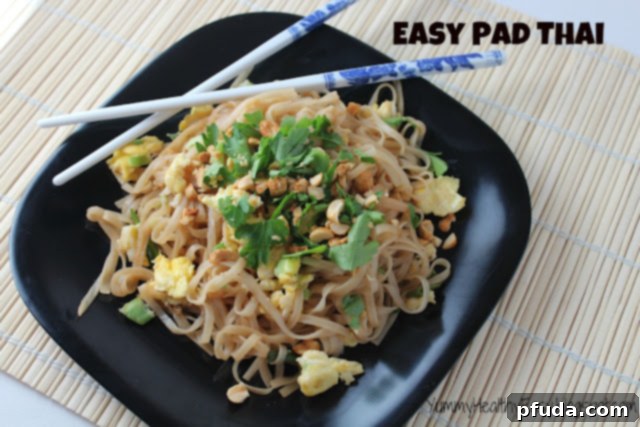
Unlocking Authentic Flavors: The Ultimate Easy Homemade Pad Thai Recipe
My culinary journey often takes interesting turns, but my heart consistently finds its way back to the vibrant, complex, and utterly delightful world of Thai cuisine. It’s more than just a preference; it’s a full-blown obsession. For years, my Friday nights followed a sacred ritual: a pilgrimage to my favorite local Thai restaurant. They knew my order before I even opened my mouth – a testament to my unwavering loyalty to either the rich, aromatic Yellow Chicken Curry or the perfectly balanced, utterly addictive Pad Thai. While I enjoyed the convenience of being “off kitchen duty” on Fridays, the truth is, this weekly indulgence came with a significant cost, roughly $10 per meal for just one order.
As much as I cherished those effortless Friday dinners, a part of me always longed to replicate that restaurant-quality magic in my own kitchen. I cook tirelessly throughout the rest of the week, experimenting with different cuisines and techniques, but Thai food, with its seemingly intricate sauces and exotic ingredients, always felt like an insurmountable challenge. The thought of sourcing obscure pastes or navigating a laundry list of unfamiliar components often pushed the idea of homemade Pad Thai firmly into the “too hard” basket. So, I continued my takeout tradition, albeit with a lingering desire for a more budget-friendly and hands-on alternative.
Then, like a beacon of culinary hope, I stumbled upon a revelation through the grapevine. A whisper of an incredibly easy, genuinely delicious Pad Thai recipe that promised authentic flavors without the usual fuss. The source? A wonderful blog called Brownies for Dinner. But what truly sealed the deal and instantly converted me was the staggering average per-serving cost: a mere $1.50! Comparing that to my usual $10 takeout bill, the potential savings were undeniable. I was immediately sold and knew, without a shadow of a doubt, that I had to try this recipe. The idea of creating such a beloved dish from scratch, in my own kitchen, for a fraction of the cost, was incredibly exciting.
Simple & Speedy Pad Thai: Your New Favorite Weeknight Meal
This particular Pad Thai recipe isn’t just easy; it’s a genuine game-changer for anyone who loves Thai food but is intimidated by the thought of making it at home. What truly sets this recipe apart is its brilliant simplicity. Many traditional Pad Thai recipes call for a daunting array of ingredients that can be difficult to find or are simply unfamiliar to the average home cook. Think fish sauce (though essential in many Thai dishes, it can be a turn-off for some), tamarind paste, dried shrimp, or even specific types of palm sugar. This recipe cleverly sidesteps these potential hurdles, relying instead on a concise list of common, inexpensive ingredients that are readily available at any local grocery store.
The beauty of using everyday ingredients means you don’t need to embark on a special hunt at an Asian specialty market. Brown sugar, lime juice, soy sauce, vegetable oil, green onions, garlic, eggs, cilantro, and peanuts – these are staples in most pantries or easily acquired. This accessibility instantly lowers the barrier to entry, making homemade Pad Thai a realistic option for even the most hesitant cooks. Furthermore, the instructions are straightforward and designed for efficiency, ensuring that the entire dish can be prepared and served in 30 minutes or less. Yes, you read that right – thirty minutes! This makes it an ideal solution for busy weeknights when you crave something exotic and flavorful but are short on time. Forget about lengthy meal prep or complex cooking techniques; this recipe is all about maximizing flavor with minimal effort.
The recipe yields four generous servings, which was perfect for me and my two older boys. (My husband, unfortunately, had to work late, and in a moment of weakness – or perhaps hunger – I ended up polishing off his plate. Sorry, honey, but it was just too good to resist!) The cost-effectiveness is also a huge draw; at approximately $1.50 per serving, it’s not only cheaper than takeout but often more affordable than many frozen meals. This recipe truly empowers you to enjoy the authentic, sweet, savory, and tangy flavors of Pad Thai right in your own home, transforming Friday night takeout into a fun and rewarding cooking adventure. It’s the kind of dish that makes staying home to cook feel like a treat, rather than a chore.
Mastering the Flavors: The Anatomy of a Perfect Pad Thai
Pad Thai is celebrated globally for its harmonious blend of distinct flavors: sweet, sour, salty, and often a hint of spicy, all coming together in a symphony on the palate. At its core, this iconic stir-fried noodle dish features flat rice noodles, which provide a delightful chewy texture, tossed with a savory sauce, eggs, and typically a protein like chicken, shrimp, or tofu, then finished with fresh garnishes. What makes this particular “easy” recipe stand out is how brilliantly it captures this complex flavor profile using such simple components, proving that you don’t need a pantry full of specialty items to achieve authentic taste.
The magic truly begins with the sauce. This recipe’s streamlined sauce base, a mix of brown sugar, fresh lime juice, soy sauce, and an optional dash of Sriracha, perfectly mimics the traditional Pad Thai balance. The brown sugar provides a caramel-like sweetness, while the fresh lime juice introduces that essential bright, zesty sourness that cuts through the richness. Soy sauce contributes the savory, umami depth, and Sriracha allows you to customize the heat to your preference, from a mild kick to a fiery explosion. This simple quartet of ingredients creates a remarkably complex and satisfying flavor foundation.
The preparation method is also key to its success. Quick stir-frying ensures that the ingredients retain their freshness and distinct textures. The brief cooking of the green onion whites and garlic releases their fragrant aromatics, setting the stage for the other components. Scrambling the eggs directly in the skillet adds a tender, protein-rich element that is classic to Pad Thai. Finally, tossing the perfectly soaked noodles with the sauce and egg mixture allows them to absorb all those wonderful flavors, creating a cohesive and incredibly delicious dish that rivals any restaurant offering. The fresh cilantro and crunchy peanuts added at the end are not mere afterthoughts; they contribute vital freshness and textural contrast, elevating the entire experience.
Easy Pad Thai Recipe
(Recipe adapted from Brownies for Dinner)
Ingredients:
- 8 ounces dried, wide and flat rice noodles (found in the Asian-foods section of most grocery stores)
- 2 Tbsp. packed brown sugar
- 2 Tbsp. fresh lime juice (from approximately 1 medium lime)
- 3 Tbsp. low-sodium soy sauce
- 1 squirt (about 1/8 teaspoon) Sriracha chili sauce (optional, add more if you prefer a spicier dish; also found in the Asian-foods section)
- 2 tsp. vegetable oil
- 3 green onions, white and green parts separated and thinly sliced
- 1 large garlic clove, minced
- 2 large eggs, lightly beaten
- 1/2 cup fresh cilantro, chopped
- 1/4 cup chopped roasted, salted peanuts
Directions:
- Soak the dried rice noodles according to the package directions. Typically, this involves soaking them in hot water for 10-15 minutes until they are pliable but still slightly firm (al dente). Drain them thoroughly once ready.
- In a small bowl, whisk together the brown sugar, fresh lime juice, soy sauce, and Sriracha chili sauce (if using). Stir until the sugar is fully dissolved. This is your Pad Thai sauce.
- Heat the vegetable oil in a large non-stick skillet or a wok over medium-high heat until shimmering.
- Add the white parts of the green onions and the minced garlic to the hot oil. Cook, stirring constantly, for about 30 seconds until they become fragrant. Be careful not to burn the garlic.
- Pour in the lightly beaten eggs. Cook, scraping the skillet with a spatula and gently scrambling the eggs until they are almost set but still slightly moist (about 30 seconds). Transfer the cooked eggs to a separate plate and set aside.
- Add the drained noodles, the green parts of the green onions, and the prepared Pad Thai sauce to the same skillet. Cook, tossing constantly with tongs or a spatula, until the noodles are soft and have absorbed most of the sauce, which usually takes about 1 minute.
- Return the cooked egg mixture to the skillet with the noodles. Toss gently to combine, breaking the eggs up into smaller pieces as you mix. Ensure everything is well coated with the sauce.
- Serve the noodles immediately, topped generously with the chopped roasted peanuts and fresh cilantro.
- ENJOY your delicious, homemade Pad Thai!
Beyond the Basics: Tips for Pad Thai Perfection
To truly elevate your homemade Pad Thai experience and ensure consistent success, consider these additional tips and variations. The beauty of this easy recipe is its adaptability, allowing you to customize it to your taste and pantry availability.
- Noodle Savvy: The type of rice noodle is crucial. Wide, flat rice noodles (sometimes labeled “rice stick” noodles) are ideal for Pad Thai. When soaking, be mindful of the package instructions. Over-soaked noodles can become mushy, while under-soaked ones will be too hard. They should be pliable and bend easily but still have a slight bite to them before stir-frying, as they will continue to soften in the hot skillet.
- Mise en Place is Your Friend: Pad Thai cooks quickly over high heat, so having all your ingredients prepped, measured, and within arm’s reach (this is called “mise en place”) before you start cooking is essential. This ensures a smooth, stress-free cooking process and prevents anything from burning while you’re scrambling for the next ingredient.
- High Heat, Quick Stir: A large non-stick skillet or a wok is perfect for this recipe. High heat is key for stir-frying, as it creates that desirable slightly charred flavor and ensures the ingredients cook quickly without becoming soggy. Keep things moving constantly with your spatula or tongs.
- Protein Power-Ups: While this recipe is fantastic as is, it’s also a perfect base for adding your favorite protein.
- Chicken: Thinly slice 4-6 ounces of boneless, skinless chicken breast or thigh. Cook it in a separate pan or in the same skillet before adding the garlic and green onions, until it’s almost cooked through. Remove it and set aside, then add it back with the eggs in step 7.
- Shrimp: Add 4-6 ounces of peeled and deveined shrimp (tails on or off) to the hot skillet after the garlic and green onions. Cook for 2-3 minutes until pink and opaque, then remove and add back with the eggs.
- Tofu: For a vegetarian option, press extra-firm tofu to remove excess water, then cut it into small cubes. Pan-fry until golden and crispy, then remove and add back with the eggs.
- Spice It Up (or Down!): The Sriracha is completely optional. If you love heat, feel free to add more than 1/8 teaspoon, or serve extra Sriracha on the side for individual customization. For less spice, omit it entirely.
- Garnish Galore: Beyond the peanuts and cilantro, consider adding other traditional Pad Thai garnishes for an extra layer of flavor and texture. Fresh bean sprouts, a wedge of lime for an additional squeeze of citrus, or even a sprinkle of red chili flakes can elevate your dish.
Making It Your Own: Variations and Dietary Adjustments
One of the joys of cooking at home is the ability to adapt recipes to suit individual preferences or dietary needs. This easy Pad Thai recipe is wonderfully flexible:
- Vegetarian/Vegan: For a vegetarian version, simply omit the eggs or replace them with scrambled tofu. For a vegan dish, omit the eggs and ensure your Sriracha sauce is vegan-friendly (most are, but some might contain gelatin) and use a vegan protein like pan-fried tofu.
- Gluten-Free: The primary ingredient to watch out for if you’re gluten-intolerant is soy sauce. Easily swap it out for tamari, a gluten-free alternative that offers a similar savory depth. Always double-check your Sriracha and rice noodles to ensure they are certified gluten-free, although most rice noodles are naturally gluten-free.
- Nut Allergies: If you or your family have a peanut allergy, simply omit the chopped peanuts or replace them with toasted sesame seeds for a different crunchy texture.
- Sodium Control: If you’re managing sodium intake, opt for low-sodium soy sauce. You can also adjust the amount of soy sauce slightly and rely more on the lime juice and brown sugar for flavor balance.
Final Thoughts: Your Kitchen, Your Pad Thai Masterpiece
This easy Pad Thai recipe is more than just a meal; it’s an invitation to reclaim your Friday nights (or any night!) from expensive takeout and discover the incredible satisfaction of creating authentic, flavorful dishes in your own home. It dispels the myth that Thai cuisine is too complicated for the home cook, proving that with a few simple ingredients and minimal effort, you can produce a dish that’s not only delicious but also significantly more affordable and customizable. The joy of a quick, healthy, and incredibly tasty meal made from scratch is truly unparalleled.
So, ditch the delivery menus and embrace the culinary adventure. Give this easy Pad Thai a try, and prepare to be amazed at what you can achieve in under 30 minutes. You might just find yourself, like me, turning your kitchen into your new favorite Thai restaurant. Don’t forget to share your experience and any creative twists you add!
LINKING THIS RECIPE TO THESE FUN PARTIES: