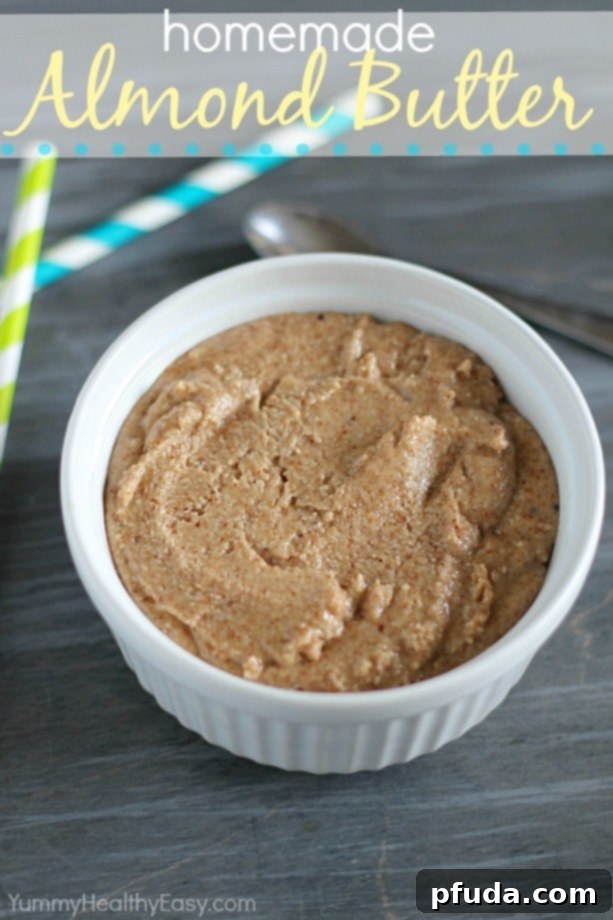
Homemade Almond Butter: Your Ultimate Guide to Easy, Healthy & Delicious Spreads
Have you ever walked into a health food store like Sprouts and been utterly amazed by the sheer variety of options available? That’s exactly what happened to me recently, along with my two young boys. Browsing the aisles of a place like Sprouts is always an adventure, offering a treasure trove of healthy, organic, and unique foods that are often hard to find in a typical grocery store. From specialty produce to an array of herbal remedies and diverse pantry staples, it’s a paradise for anyone looking to eat better and explore new culinary horizons.
On this particular visit, as we strolled through the nut butter section, I was genuinely surprised. The shelves were brimming with dozens of different brands of almond butter! It struck me: why had I never truly explored the world of almond butter before? For years, peanut butter had been my go-to spread, a pantry staple in our household. Yet, here was an equally enticing alternative, made from wholesome roasted almonds. And we all know how incredibly beneficial almonds are for our health, packed with essential nutrients and healthy fats. This discovery sparked an immediate idea – why not make my own homemade almond butter?
For me, almonds have always been a trusted companion. I consistently keep a small container in my purse and a larger one in the pantry, ready for those moments when hunger strikes and I need a quick, nutritious boost. They’re perfect for staving off cravings until the next meal. However, I have to admit, and this might sound a bit like something an old lady would say, but sometimes, I get a little tired of all the chewing! That’s where the magic of almond butter comes in. It offers all the incredible health benefits of whole almonds but in a wonderfully smooth, spreadable, and easy-to-digest form, making it a delicious and convenient way to enjoy this superfood.
The Power of Almonds: Why This Nut is a Nutritional Superstar
Almonds are truly a gift from nature, often hailed as one of the healthiest nuts you can consume. They’re a nutritional powerhouse, offering a rich profile of vitamins, minerals, and macronutrients that contribute significantly to overall well-being. Even a small handful can leave you feeling satisfied for a considerable time, thanks to their excellent combination of healthy fats, protein, and dietary fiber. When transformed into butter, these benefits become even more accessible and enjoyable.
Key Health Benefits of Almond Butter:
- Heart Health: Almonds are exceptionally rich in monounsaturated fats, which are renowned for their ability to help lower bad cholesterol (LDL) levels and reduce the risk of heart disease. The presence of Vitamin E, a powerful antioxidant, further contributes to cardiovascular health by protecting cells from oxidative damage and promoting healthy blood flow.
- Weight Management: The substantial protein and fiber content in almond butter promotes satiety, helping you feel full longer and potentially reducing overall calorie intake. This can be particularly beneficial for those looking to manage or lose weight, as it helps curb unnecessary snacking.
- Blood Sugar Control: With a naturally low glycemic index, almonds can play a vital role in regulating blood sugar levels. This makes almond butter a fantastic choice for individuals with diabetes or those looking to prevent sharp blood sugar spikes. Magnesium, abundant in almonds, also plays a crucial role in improving insulin sensitivity and glucose metabolism.
- Rich in Antioxidants: Beyond Vitamin E, almonds contain various flavonoid compounds that act as potent antioxidants. These compounds combat free radicals in the body, which are responsible for cellular damage and contribute to aging and chronic diseases, thus supporting overall cellular health.
- Bone Health: Almonds provide essential minerals like calcium, magnesium, and phosphorus, all of which are vital for maintaining strong, healthy bones and preventing conditions like osteoporosis. Regular consumption can support bone density throughout life.
- Digestive Health: The dietary fiber in almonds is instrumental in aiding healthy digestion, promoting regularity, and preventing constipation. It also contributes to a balanced gut microbiome, which is crucial for overall health and immunity.
- Skin and Hair Nourishment: The Vitamin E and healthy fats found in almond butter contribute significantly to healthy skin, offering protection against environmental damage and promoting a radiant, youthful complexion. These nutrients also support strong, lustrous hair, making almond butter a beauty food from the inside out.
Why Choose Homemade Almond Butter Over Store-Bought?
While the convenience of store-bought almond butter is undeniable, making your own at home offers a multitude of advantages that are hard to beat. The control you gain over ingredients, the potential cost savings, and the sheer freshness make it a truly rewarding and superior endeavor.
Firstly, ingredient control is paramount. Many commercial almond butters, even those marketed as “natural,” can contain unwanted added sugars, unhealthy hydrogenated oils (which can contribute to trans fats), or artificial preservatives designed to extend shelf life or improve texture. When you make it yourself, you dictate exactly what goes in – typically just pure almonds, a pinch of sea salt, and perhaps a touch of healthy coconut oil. This ensures a clean, unadulterated product that aligns perfectly with your health goals and dietary preferences.
Secondly, cost-effectiveness. Almonds can indeed be a bit pricier than peanuts, but buying them in bulk and making your own butter is almost always significantly cheaper than purchasing premium store-bought versions. You get more for your money, and often a higher quality, fresher product too, making it a smart choice for budget-conscious health enthusiasts.
Finally, customization. This is where the fun truly begins! You have complete freedom to adjust the level of roasting to achieve your desired flavor depth, control the amount of salt, or add natural sweeteners like maple syrup, honey, or agave. Want a hint of vanilla? A sprinkle of cinnamon? A touch of cocoa powder for a rich chocolate almond butter? The possibilities for flavor variations are endless when you’re the chef in your own kitchen.
Now, picture these incredible almonds transformed into a creamy, luscious butter. I’m not exaggerating when I say it’s absolutely amazing. After making my first batch of this homemade almond butter, I was completely hooked. My husband and I devoured it quickly, and I found myself making it again and again. Its versatility is astounding. I’ve used it as a key ingredient in these No-Bake Granola Bites, which are a perfect grab-and-go snack. Beyond that, it’s fantastic spread on sliced apples, adding a satisfying crunch and creamy texture. And let’s be honest, sometimes when hunger strikes and I’m browsing the fridge, a spoonful straight from the jar is the ultimate satisfying indulgence. It also makes an incredible breakfast spread on warm toast or a powerful, nutrient-dense pre-workout snack to fuel your body and mind.
How to Make Homemade Almond Butter: A Simple Step-by-Step Guide
Making your own almond butter might sound intimidating, but it’s surprisingly simple and requires minimal ingredients and effort. The process mainly involves two core steps: lightly roasting the almonds to enhance their flavor and facilitate oil release, and then processing them in a high-speed food processor until they magically transform into a rich, creamy butter. It typically stores well in the refrigerator for a couple of weeks, though based on how quickly it disappears in our home, I doubt it will last that long!
Ingredients You’ll Need:
- Raw almonds (choose high-quality, whole almonds for the best flavor and texture)
- A pinch of sea salt (essential for enhancing the nutty flavor; adjust to your preference)
- Coconut oil (optional, but recommended for extra smoothness and a hint of exotic flavor. You can also experiment with other healthy oils like avocado oil. For sweetness, consider maple syrup, honey, or agave, added at the end of blending.)
Equipment:
- Baking sheet
- Parchment paper (makes cleanup a breeze and prevents sticking)
- Food processor (a powerful one with sharp blades works best for optimal results)
- Airtight container or mason jar for convenient storage
The Transformation Process:
The magic happens in the food processor. Be prepared for a captivating journey as the almonds go through several distinct stages before reaching that coveted creamy consistency. Patience is truly a virtue here, but the end result is absolutely worth the wait!
- Chunky Meal: Initially, the almonds will break down into a coarse, flour-like meal. It will look dry and crumbly.
- Crumbly Paste: As you continue processing, the natural oils will begin to release, and the meal will start to clump together into a crumbly, wet paste. This stage might look dry and seem like it’s not working, but keep going!
- Thick Ball: Eventually, the paste will coalesce and form a large ball, moving around the food processor as one solid mass. This is a very good sign that the oils are really coming out and the almonds are transforming.
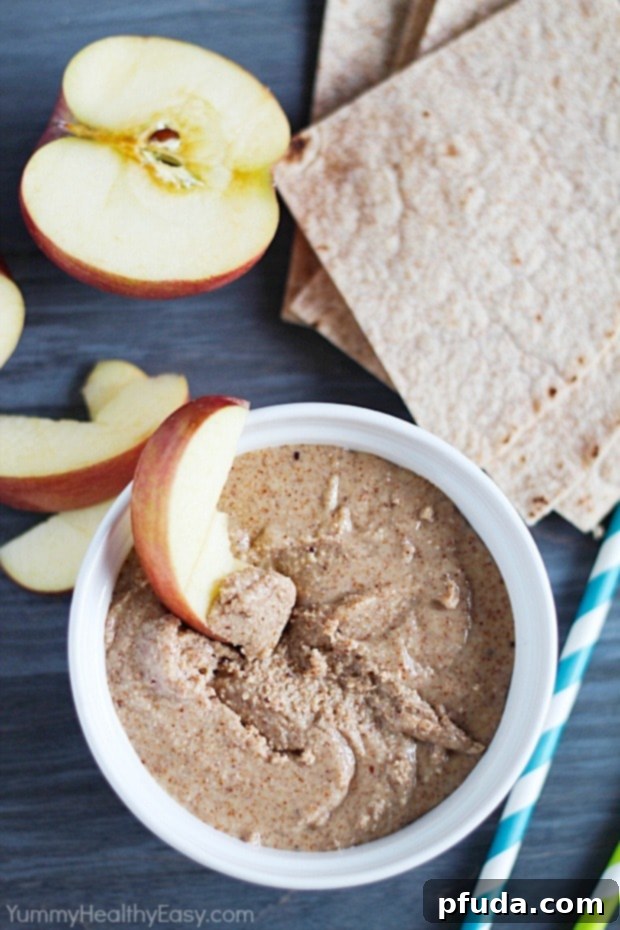
- Smooth Butter: Finally, after some more dedicated processing, the ball will break down, and the mixture will become wonderfully smooth, silky, and creamy, resembling traditional butter. At this point, you’ve successfully created homemade almond butter!
Tips for Perfect Homemade Almond Butter:
- Roasting is Key: Do not skip the roasting step! Roasting not only deepens the almond flavor, giving the butter a richer, more complex taste, but it also helps to warm and release their natural oils, making the blending process much smoother and quicker. Keep a close eye on them to prevent burning, as burnt almonds will result in bitter butter.
- Patience, Patience, Patience: The food processor stage can take anywhere from 10 to 20 minutes, sometimes even longer, depending on your machine’s power and the freshness of the almonds. It will seem like it’s never going to turn into butter during the crumbly and ball stages, but suddenly, the transformation will occur! Resist the urge to add extra oil too soon, as the almonds have plenty of their own.
- Scrape Down the Sides: It’s crucial to stop the food processor every few minutes and scrape down the sides of the bowl with a spatula. This ensures that all almond pieces are evenly processed and helps the mixture come together more efficiently.
- Adjust Consistency: If your butter is too thick after a long processing time, you can add a small amount of coconut oil (or another neutral, healthy oil like avocado oil) a teaspoon at a time until you reach your desired consistency. For a thinner, runnier butter, continue processing longer, as more oil will naturally release.
- Flavor Variations: Get creative and personalize your almond butter! Add a dash of vanilla extract for warmth, a sprinkle of cinnamon or pumpkin pie spice for an autumnal twist, a tablespoon of cocoa powder for a delightful chocolate almond butter, or a swirl of honey/maple syrup for natural sweetness.
Homemade Almond Butter
Print
Pin
Rate
Ingredients
- 2 cups raw almonds
- pinch of sea salt
- 1 tsp. coconut oil (optional, or try maple syrup, honey or agave for sweetness)
Instructions
-
Preheat oven to 375ºF (190ºC). Spread your raw almonds evenly in a single layer on a parchment paper-covered cookie sheet. Roast for 6-8 minutes until they are lightly toasted, fragrant, and a slightly darker brown. Be vigilant and ensure they don’t burn, as this can make the butter bitter.
-
Allow the roasted almonds to cool down for a few minutes. While still warm (but not hot), transfer them to a high-speed food processor. Begin grinding for approximately 10-15 minutes. It’s crucial to pause every few minutes to scrape down the sides of the bowl with a spatula, pushing the almond pieces back towards the blades. Continue processing through the various stages (from coarse meal to crumbly paste, then a thick ball, and finally smooth butter) until the mixture becomes wonderfully creamy and smooth.
-
Once the almond butter has reached a smooth consistency, sprinkle in the pinch of sea salt and add the optional coconut oil (or desired sweetener like maple syrup). Blend for another few minutes to thoroughly incorporate these ingredients and achieve your desired texture and consistency. Taste and adjust seasoning if necessary.
-
Transfer your freshly made almond butter to a sealed container or a mason jar. Store it in the refrigerator for 1-2 weeks for optimal freshness. Its absolutely delicious on toast, with apple slices, stirred into oatmeal, or simply enjoyed by the spoonful!
Notes
Beyond the Jar: Creative Ways to Enjoy Your Homemade Almond Butter
Once you’ve mastered the art of making homemade almond butter, you’ll find countless ways to incorporate this nutritious spread into your daily diet. Its rich, creamy texture and subtle nutty flavor make it a remarkably versatile ingredient for both sweet and savory applications. Don’t limit yourself to just toast!
- Breakfast Booster: Swirl a generous spoonful into your morning oatmeal or quinoa porridge. Spread it on whole-grain toast, bagels, or English muffins for a protein-packed start. Dollop it onto pancakes and waffles instead of traditional syrup for a healthier option.
- Smoothie Enhancer: Add a tablespoon or two to your favorite fruit or vegetable smoothies for extra protein, healthy fats, and a wonderfully creamy consistency. It helps keep you full and energized throughout the morning.
- Snack Time Favorite: Pair it perfectly with fruit slices like apples, bananas, pears, or berries. Spread it on celery sticks for a classic “ants on a log” twist (perhaps with raisins or cranberries). Dip pretzels, rice cakes, or whole-grain crackers for a satisfying crunch.
- Baking & Desserts: Utilize it as a key ingredient in energy balls, cookies, brownies, or healthy no-bake bars (like the No-Bake Granola Bites mentioned earlier). It can also be a healthier substitute for other fats or nut butters in various dessert recipes.
- Savory Dishes: Don’t limit it to sweet applications! Almond butter can be a delicious and thickening addition to savory sauces, particularly in Asian-inspired dishes like satay sauce or dressings for salads and noodle bowls. It adds a depth of flavor and creamy texture to savory profiles.
- Pre/Post-Workout Fuel: Its ideal combination of protein and healthy fats makes it an excellent choice for sustaining energy before a workout or aiding in muscle recovery afterward. Spread it on a banana or mix it into a protein shake.
Making your own almond butter is more than just following a recipe; it’s an investment in your health and a delightful culinary experience. The satisfaction of creating such a wholesome, delicious product from scratch, free from unwanted additives and tailored to your taste, is truly unmatched. So, gather your raw almonds, fire up your food processor, and prepare to embark on a journey of creamy, nutty goodness that you’ll be proud to share (or keep all to yourself!).
If you liked this recipe and are looking for more delicious and healthy ideas, you’ll love these:
Quick & Easy Homemade Caramel Apple Dip
Cream Cheese Toffee Dip
And don’t forget to use your amazing homemade Almond Butter in these No-Bake Granola Bites