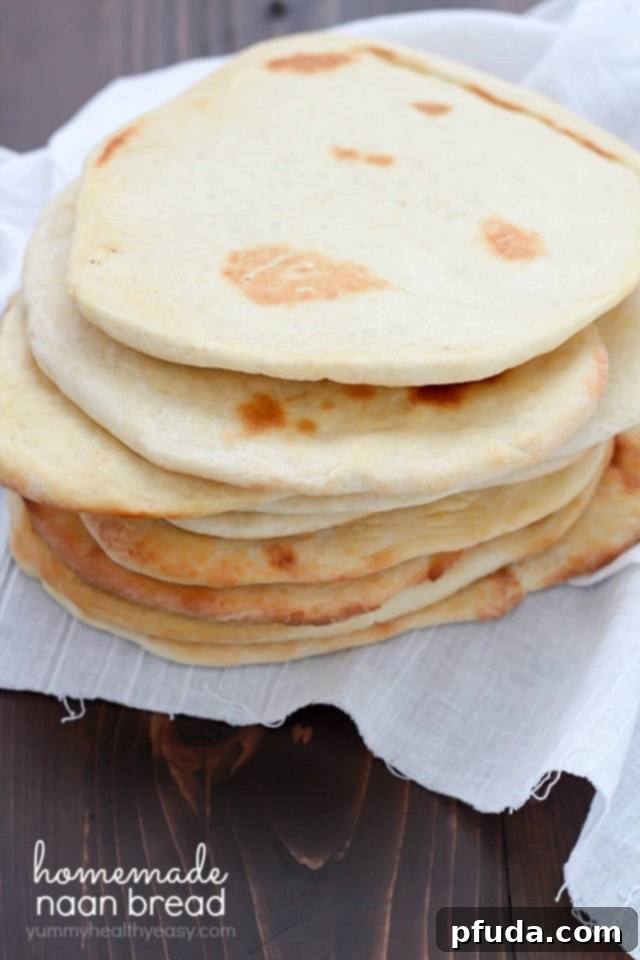
Authentic Homemade Naan Bread Recipe: Soft, Fluffy & Easy to Make at Home
Have you ever experienced the sheer delight of freshly baked naan bread? This iconic leavened, oven-baked flatbread, a staple of Indian cuisine, is renowned for its irresistibly soft, chewy texture and slightly charred bubbles. It’s more than just a side dish; it’s a canvas for flavor, perfect for soaking up rich curries, scooping up savory dips, or simply enjoying on its own. While often associated with professional tandoor ovens, crafting delicious naan at home is surprisingly accessible and incredibly rewarding.
Forget the store-bought versions – nothing compares to the aroma and taste of warm, homemade naan. This recipe is designed to bring that authentic Indian restaurant experience right into your kitchen, simplifying the process without compromising on flavor or texture. Get ready to impress your taste buds and your guests with this easy-to-follow guide to making the most delectable naan you’ve ever had!
The Irresistible Allure of Naan Bread: A Culinary Journey
Naan bread holds a special place in the hearts of food lovers worldwide. Its versatility and comforting nature make it a perfect accompaniment to a vast array of dishes. From its origins in ancient Persia, where it traveled along trade routes to eventually become a cornerstone of Indian, Pakistani, and Central Asian cuisines, naan has evolved while retaining its fundamental charm. Traditionally cooked in a tandoor – a clay oven that reaches incredibly high temperatures – the dough quickly puffs up, creating those signature airy pockets and slightly smoky, charred spots that are so characteristic of authentic naan.
Beyond its culinary appeal, naan often symbolizes warmth, hospitality, and shared meals. It’s deeply ingrained in the cultural fabric of many regions, served at celebratory feasts and everyday dinners alike. While the concept of a tandoor oven might seem daunting for home cooks, the good news is that you don’t need one to achieve fantastic results. This recipe focuses on simple techniques and readily available kitchen equipment to replicate that beloved restaurant-style naan. The joy of pulling a warm, puffy piece of naan from your oven, brushing it with melted butter, and savoring its tender bite is an experience not to be missed.
My Naan Journey: From Restaurant Delight to Home Kitchen Success
I still remember the first time I truly fell in love with naan. Years ago, my family and I lived in a charming townhouse community, and serendipitously, an incredible Indian restaurant was just a stone’s throw away. It quickly became our go-to spot, a place where the rich, aromatic curries captivated our senses, and every meal came with a generous serving of their unbelievably soft, warm naan bread. It was an instant favorite, the perfect vessel for every drop of that delicious curry sauce.
That initial experience sparked a desire to recreate that magic at home. I was determined to bring that restaurant-quality flavor and texture into my own kitchen. After much experimentation, I developed a recipe that, while perhaps not 100% traditional from a purist’s perspective (given most of us don’t have a tandoor!), truly captures the essence and deliciousness of the naan we adored at that restaurant. It’s incredibly close, boasting that signature soft chewiness and subtle flavor that pairs beautifully with almost anything. What’s even better is how accessible it is; don’t let the idea of working with yeast or rising times intimidate you. This recipe is straightforward, and even my kids love getting involved in the process, making it a fun family activity!
Essential Ingredients for Perfect Naan (and Why They Matter)
Making delicious naan starts with understanding the role of each ingredient. Here’s a breakdown of what you’ll need and why:
- Rapid Rise Instant Yeast: This is the leavening agent that gives naan its airy, puffy texture. Rapid rise yeast is convenient as it doesn’t require proofing separately, though we do let it bloom slightly in warm water to ensure it’s active. Active yeast is crucial for a good rise and a fluffy naan.
- Warm Water: Crucial for activating the yeast. The water should be around 105-115°F (40-46°C) – warm to the touch but not hot. Think of it as a comfortable bath temperature for your hand. Too cold, and the yeast won’t activate; too hot, and it will kill the yeast, resulting in flat, dense naan.
- Sugar: A small amount of sugar feeds the yeast, helping it to become more active and produce more carbon dioxide gas, which contributes to the naan’s rise and distinctive bubbles. It also aids in browning and adds a subtle hint of sweetness to balance the savory flavors.
- Milk: Adds richness and tenderness to the dough, contributing significantly to that signature soft, pliable texture. Whole milk is generally recommended for the best results, as its fat content enhances the naan’s flavor and mouthfeel, but 2% milk can also work effectively.
- Egg: A beaten egg adds moisture, richness, and helps bind the dough together, giving it more structure. It also contributes to a slightly golden color on the finished naan and a softer, more luxurious crumb.
- Salt: Essential for flavor balance, preventing the naan from tasting bland. Salt also plays a role in controlling yeast activity, ensuring a steady and even rise. Don’t skip it!
- Unbleached All-Purpose Flour: The primary structural component of the naan. Unbleached flour often has a slightly higher protein content than bleached varieties, which can result in better gluten development during kneading and a chewier, more satisfying texture. You can also experiment with bread flour for an even chewier result.
- Melted Butter: For brushing on the freshly baked naan. This final step is vital! It adds incredible flavor, a beautiful glossy sheen, and keeps the naan soft, moist, and pliable. You can also infuse it with minced garlic or fresh herbs like cilantro or parsley for extra flavor dimensions.
Tips for Nailing Your Homemade Naan Every Single Time
Achieving restaurant-quality naan at home is totally doable with a few key tips and a little patience. Follow these pointers for the best results:
- Mind the Water Temperature: As mentioned, proper water temperature is vital for yeast activation. Use a kitchen thermometer if you’re unsure, aiming for 105-115°F (40-46°C). This temperature allows the yeast to thrive without being killed.
- Don’t Rush the Rise: Yeast needs time to work its magic. Allow the dough to double in size for both rises. If your kitchen is cool, find a warm spot (like near a sunny window, in a slightly warm oven that’s turned off, or even near a radiator). Patience here will be rewarded with airy, fluffy naan.
- Knead Properly: Kneading develops the gluten, which gives naan its characteristic chewiness and elasticity. Don’t be afraid to knead for the full 6-8 minutes, using a stand mixer with a dough hook or by hand. Add just enough flour to prevent sticking without making the dough too stiff. It should remain soft, elastic, and slightly tacky.
- High Heat is Key: The magic of naan comes from cooking it quickly at very high temperatures. A 550°F (288°C) oven is ideal, as it mimics the intense heat of a tandoor. If your oven doesn’t go that high, set it to its maximum temperature. Alternatively, a very hot cast-iron skillet or griddle on the stovetop can also produce excellent results, creating beautiful blisters and a soft interior.
- Roll Evenly: Aim for an oblong or teardrop shape, about 1/4 inch thick. Uneven thickness can lead to uneven cooking and puffing. Practice makes perfect when it comes to shaping!
- Brush with Butter Generously: Don’t skip the melted butter at the end! It adds flavor, shine, and keeps the naan soft and prevents it from drying out. For extra flavor, stir in some minced garlic or chopped cilantro into your melted butter.
- Work in Batches: Since naan cooks quickly at high heat, it’s best to cook one or two pieces at a time to maintain optimal oven temperature and ensure even cooking.
Serving Suggestions: What to Pair with Your Perfect Naan
Naan is incredibly versatile and can elevate almost any meal. Its soft texture and mild flavor make it the perfect companion for a variety of dishes. Here are some popular serving ideas:
- Curries and Stews: This is the classic pairing, and for good reason! Naan is perfect for soaking up rich, flavorful sauces from dishes like Butter Chicken, Chicken Tikka Masala, Lamb Rogan Josh, Chana Masala (chickpea curry), Dal Makhani (lentil curry), or any of your favorite Indian or South Asian stews.
- Dips and Spreads: Serve your warm naan with creamy dips like hummus, baba ghanoush, tzatziki, or a refreshing raita (yogurt dip). The soft bread is ideal for scooping up every last bit.
- Kebabs and Grilled Meats: Naan makes an excellent wrap or accompaniment for grilled meats such as chicken tikka kebabs, seekh kebabs, paneer (Indian cheese) skewers, or any seasoned grilled vegetables.
- Sandwiches and Wraps: Use larger pieces of naan as a unique and flavorful base for open-faced sandwiches, or fold them into wraps for a delicious and distinct lunch. Fill them with anything from falafel to shredded chicken and fresh veggies.
- Soups: A warm bowl of lentil soup, tomato soup, or a hearty vegetable soup is made even better and more filling with a side of fresh naan for dipping.
- Flavored Naan Variations:
- Garlic Naan: Brush with melted garlic butter (minced garlic steeped in melted butter, perhaps with a pinch of chili flakes) before serving.
- Cheese Naan: For a delightful treat, stuff the dough balls with shredded cheese (like mozzarella, cheddar, or crumbled paneer) before rolling and baking.
- Herb Naan: Incorporate finely chopped fresh herbs like cilantro, parsley, or rosemary into the dough or mix them with the melted butter for brushing.
- Breakfast: Believe it or not, plain naan can be a wonderful side for scrambled eggs, or topped with honey and nuts for a sweet start to the day.
Troubleshooting Common Naan Issues
Even with an easy recipe, sometimes things don’t go exactly as planned. Don’t get discouraged! Here are some common issues you might encounter when making naan and how to fix them:
- My dough isn’t rising:
- Check your yeast: Is it fresh and active? Expired yeast won’t work. Always check the expiration date and ensure it foams in the warm water.
- Water temperature: Too hot will kill the yeast, too cold won’t activate it. Aim for the recommended lukewarm temperature (105-115°F / 40-46°C).
- Environment: Is your rising spot warm enough? Cold temperatures significantly slow down yeast activity. A drafty kitchen is not ideal.
- My naan is tough/dense:
- Too much flour: Adding too much flour makes the dough stiff and difficult to rise, resulting in dense naan. Add flour gradually during kneading until the dough is soft but no longer excessively sticky.
- Not enough kneading: Insufficient kneading means gluten hasn’t properly developed, leading to a less elastic and chewier texture. Knead for the full recommended time.
- Not enough rising time: The dough needs to fully double in size to develop an airy structure. Don’t cut the rising times short.
- Over-baking: Cooking naan for too long at too low a temperature can dry it out and make it tough.
- My naan isn’t puffing up:
- Oven temperature: The oven needs to be very hot (550°F / 288°C) to create that instant puff. Ensure it’s fully preheated. Using a pizza stone can also help retain heat.
- Dough thickness: If the naan is rolled too thick, it might not puff as much. If it’s too thin, it might crisp up instead of puffing. Aim for about 1/4 inch thickness.
- Overworking the dough: After the second rise, be gentle when handling and rolling to avoid expelling all the precious gases that contribute to the puff.
- My naan is too dry:
- Overbaking: Naan cooks quickly! Remove it as soon as it’s golden and puffy with charred spots.
- Lack of butter: The melted butter brushed on top is crucial for moisture, flavor, and keeping the naan soft. Be generous!

Homemade Naan Bread Recipe
Print
Pin
Rate
Ingredients
- 1 .25-oz package Rapid Rise Instant Yeast (2 1/4 tsp), I used Fleischmann’s Yeast
- 1 cup warm water
- 2 Tbsp. sugar
- 3 Tbsp. milk
- 1 egg beaten
- 2 tsp. salt
- 3 + cups unbleached flour
- melted butter for topping
Instructions
-
In a large mixing bowl, combine the warm water and the package of rapid rise instant yeast. Stir gently and let it sit for about 10 minutes. This allows the yeast to activate and bloom, creating a foamy surface, which indicates it’s ready to work. After this, add the sugar, milk, beaten egg, and salt. Gradually begin adding the unbleached flour, starting with about 2 cups, mixing until a soft, shaggy dough forms.
-
Transfer the dough to a lightly floured surface. Knead the dough for 6-8 minutes. During kneading, continuously add small amounts of the remaining flour (about 1/2 to 1 cup more) as needed to prevent the dough from sticking to your hands or the counter, but be careful not to incorporate too much flour, which can make the naan tough. The goal is a soft, elastic, and smooth dough. Once kneaded, lightly grease a clean bowl with oil, place the dough inside, and turn it once to coat. Cover the bowl with a clean kitchen towel or plastic wrap and let it rise in a warm spot for approximately 2 hours, or until it has visibly doubled in size.
-
Gently punch down the risen dough to release the air. Lightly knead it for a minute or two to make it pliable and easy to work with. Pinch off portions of the dough, forming them into golf ball-sized spheres. Arrange these dough balls on an ungreased cookie sheet. Lightly spray plastic wrap with cooking oil and drape it loosely over the dough balls to prevent them from drying out. Allow these smaller portions to rise again for at least 30 minutes, or until they have doubled in size. This second rise contributes to the naan’s airy texture.
-
While the dough is on its second rise, preheat your oven to a scorching 550ºF (288ºC), or the highest temperature your oven can reach. If you have a pizza stone, place it in the oven during preheating for even better results. On a lightly floured surface, take one dough ball and roll it into an oblong or teardrop shape, about 1/4 inch thick. Place the rolled naan onto a baking sheet that has been lightly sprayed with cooking spray (or directly onto the hot pizza stone). Bake for 5-8 minutes. Keep a close eye on it: the naan will puff up beautifully and develop golden-brown spots on the top and bottom when done.
-
As soon as each naan is pulled from the oven, immediately brush the top with a generous coating of melted butter. This adds flavor, a lovely sheen, and keeps the naan soft and moist. Repeat the rolling and baking process for the remaining dough balls. Serve your homemade naan warm and enjoy its incredible freshness with your favorite dishes!
Conclusion: Your Homemade Naan Adventure Awaits!
There’s something incredibly satisfying about making bread from scratch, and homemade naan is no exception. The entire process, from activating the yeast to watching the dough transform and puff up in the oven, is a culinary journey in itself. With this recipe, you’re not just making bread; you’re creating a warm, comforting, and versatile accompaniment that will elevate any meal. Whether you serve it alongside a hearty curry, use it as a base for a creative sandwich, or simply tear into a warm piece with a dollop of melted butter, this naan is guaranteed to be a hit with everyone who tries it. So, gather your ingredients, set aside some time for the magic of yeast, and prepare to enjoy the soft, fluffy goodness of authentic-tasting homemade naan. Happy baking, and get ready to enjoy the rich flavors of homemade Indian cuisine!
If you liked this recipe, you might like these ones too:
Cinnamon Swirl Bread
Whole Wheat Pita Bread
Easy Peasant Bread